
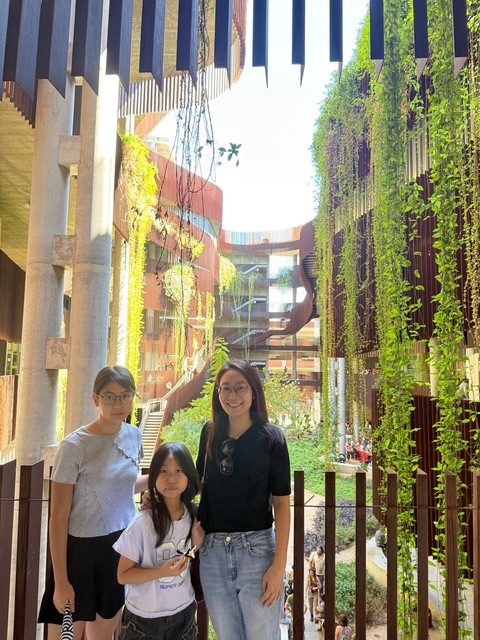
Hyeri Park works at Oro Valley Public Library of Pima County Public Library. She was born in Mokpo, a beautiful city in South Korea. Hyeri moved to the United States with her husband in 2010 while he was pursuing his PhD. She has been living in Tucson since 2022 and enjoys the warm winter weather and the beautiful saguaros in Mt. Lemmon.
Today, Hyeri shares with Sharon Yang of the Biblio Lotus Team, Lunar New Year traditions in Korea.
Lunar New Year Traditions in South Korea
Lunar New Year is a major national holiday in South Korea. It is celebrated according to the lunar calendar, and the upcoming year is the Year of the Horse. The holiday is a time for family gatherings, during which children show respect by bowing to elder relatives such as grandparents, aunts, and uncles.
In return, children receive money, which is placed in a special traditional bag called bokjumeoni. People also wear traditional clothing known as hanbok, which features beautiful designs and bright colors.
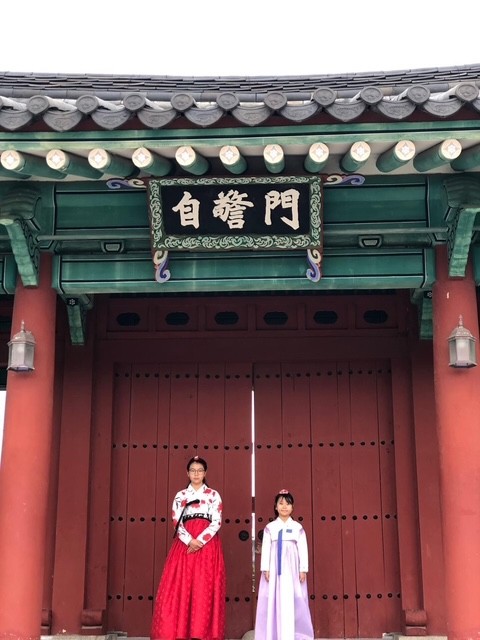
The Beauty of Hanbok (Traditional Dress)
- Hanbok is the traditional clothing of Korea. It has been worn for thousands of years, and today.
- Symbolic Colors: Often use "Obangsaek" (White, Black, Blue, Red, and Yellow), which represent the five elements of nature and bring balance.
Meaning of symbolic colors
- White (White-clad people): White symbolizes purity, integrity, and peace. Historically, it was the most common color for Koreans, which is why we were called 'the white-clad people.
- Red: Red symbolizes good fortune and protection. It was believed to ward off evil spirits and bring wealth. This is why it’s often used in wedding Hanboks.
- Yellow: Yellow represents the center of the universe and was traditionally associated with royalty. It also symbolizes abundance and golden sunshine.
- Blue: Blue symbolizes new life, hope, and the spring season. It represents youth and a fresh start.
- Black: Black represents wisdom and infinity. It was often used for official hats and formal robes to show dignity and intelligence.
Sources:
In Korea, the traditional food for the Lunar New Year is Rice Cake Soup. Eating a bowl of Tteokguk is how we symbolically turn a year older. The white, oval-shaped rice cakes represent a fresh start and prosperity.
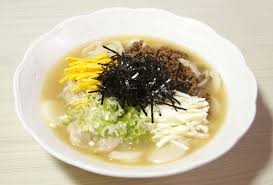
Recipe for Rice Cake Soup
Ingredients (for 2 servings):
- The base: 4 cups of Ox bone broth (Sagol-Broth)
Note: You can easily substitute this with chicken broth or anchovy broth based on your preference.
Tip: You can find pre-made Sagol broth at any Korean grocery store (H-Mart). - The main: 2 cups of sliced rice cakes, 6–8 dumplings,
- Mandu seasoning: 1 tbsp minced garlic, 1tbsp soy sauce, salt, and black pepper
- Garnish: 1 egg (fried and sliced), 1 stalk of green onion (chopped), and some shredded seaweed
Source: Rice cake soup (Tteokguk) recipe by Maangchi
The book Hyeri recommends is Mindy Kim and the Lunar New Year Parade. It really shows how we Koreans celebrate the New Year. Hyeri said, "The most touching part is when Eunice’s mom makes Tteokguk (rice cake soup) for Mindy, who lost her mother. It shows how we care for each other like family."
Also, the Yutnori scene reminded me of my childhood. When I played this game with my relatives, we cheered so loudly that I often lost my voice! It’s a tradition that brings everyone together with so much energy and laughter.
